
Welcome to the DirectiveOS Blog
The DirectiveOS Blog is a long-form space dedicated to exploring what it means to build a calmer, more intentional digital life. This is where we go deeper into the philosophy behind the DirectiveOS ecosystem — why privacy matters, why simplicity is powerful, and why human-scale tools are the future of personal productivity.
Every article is written with one goal: to help you create a digital environment that supports your mind instead of overwhelming it. Whether you’re trying to organize your week, manage your knowledge, or build healthier habits, the DirectiveOS Blog gives you frameworks, insights, and practical strategies to move from scattered tasks into clear, confident action.
What You’ll Learn Here
The blog covers a wide range of topics centered around clarity, privacy, and intentional living. You’ll find articles on:
- Building a private, distraction-free digital workflow
- Using local-first tools to stay organized without surveillance
- Creating personal systems for goals, tasks, and knowledge
- Designing a calmer digital environment
- Understanding the philosophy behind DirectiveOS
- Behind-the-scenes updates on the DirectiveOS ecosystem
- Practical guides for using DirectiveOS apps effectively
Why Privacy-First Matters
Most modern productivity tools require accounts, analytics, cloud storage, and constant connectivity. They collect data, track behavior, and shape your digital habits in ways that aren’t always aligned with your goals. DirectiveOS takes the opposite approach: everything runs locally, everything is private, and nothing leaves your device.
This blog explores how privacy-first design leads to better focus, better habits, and a healthier relationship with technology. When your tools stop demanding attention, you get more mental space to think, plan, and create.
The Philosophy Behind DirectiveOS
DirectiveOS is built on the belief that software should be human-scale — small, focused, and designed to support your thinking rather than replace it. This philosophy is inspired by research on local-first software and human-centered design . These principles emphasize user control

How to Build a Private, Minimal Budget System with MyBudgetManager
Most budgeting tools feel like surveillance.They track everything, categorize everything,…
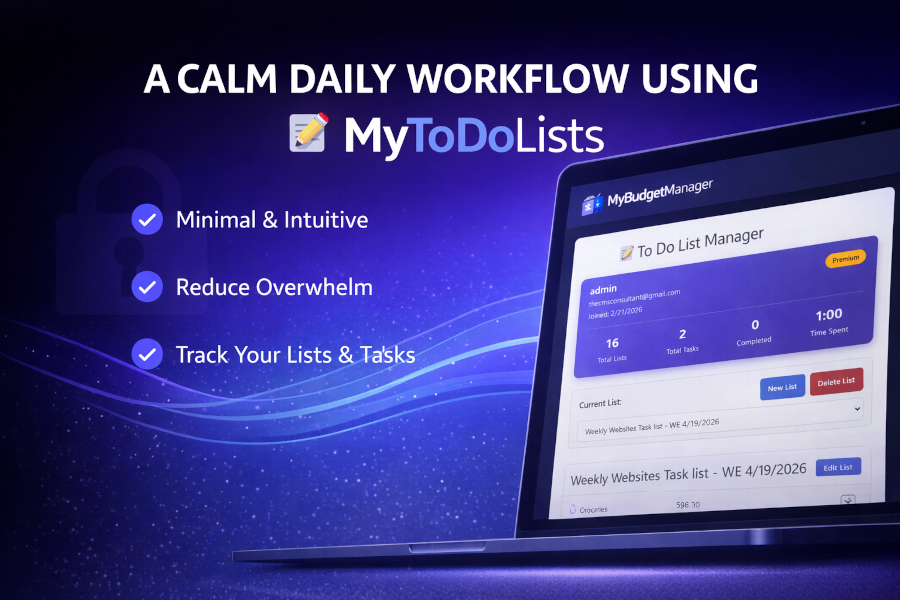
A Calm Daily Workflow Using MyToDoLists
A Calm Daily Workflow Using MyToDoLists Most to‑do apps make…
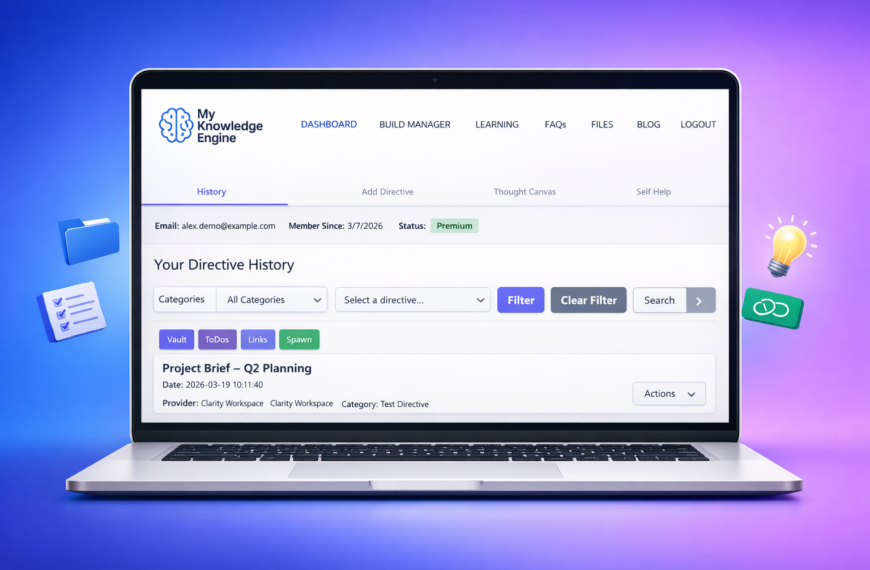
Turn Scattered Notes Into Clarity Using MyKnowledgeEngine
Most people don’t have a “note‑taking problem.”They have a note‑organizing…
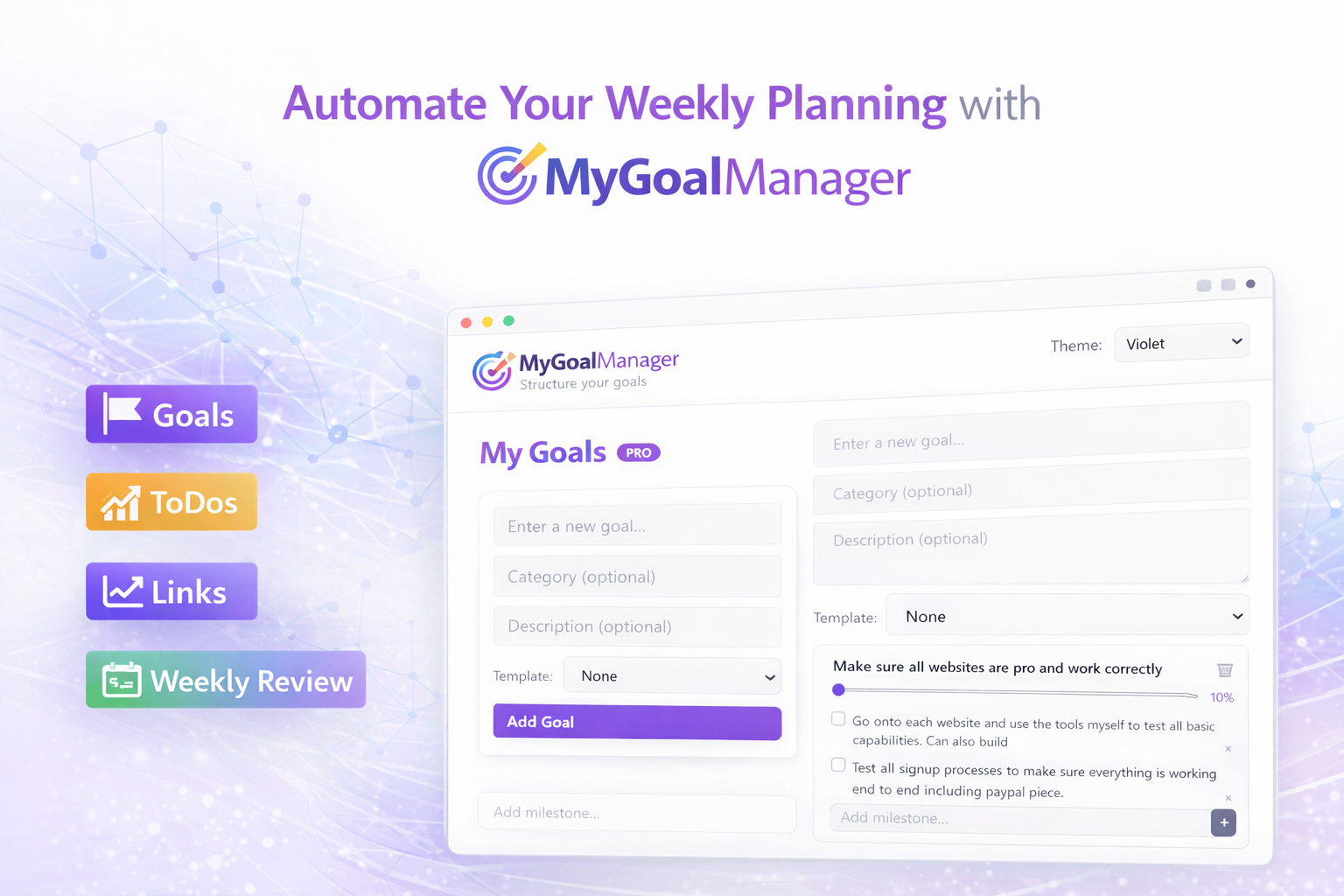
Automate Your Weekly Planning with MyGoalManager
Automate Your Weekly Planning with MyGoalManager Most people don’t struggle…
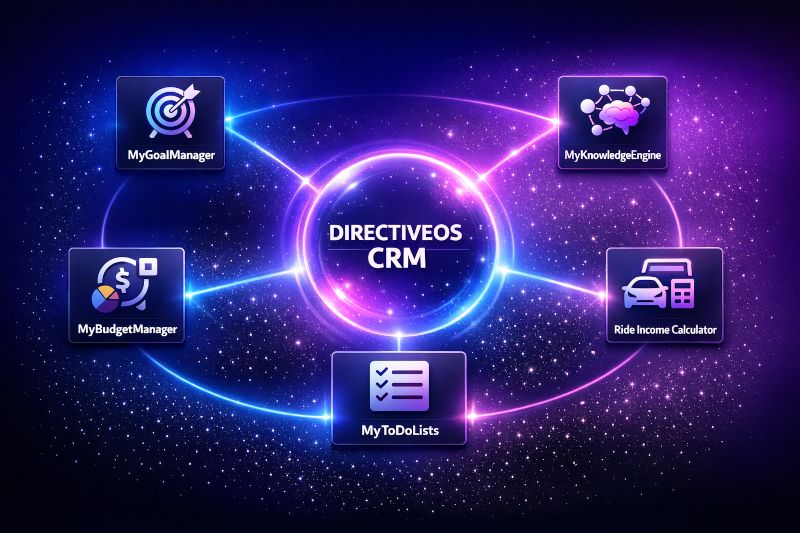
Welcome to the DirectiveOS Rebuild: A Calm, Private Productivity Ecosystem
Most productivity systems feel loud.Too many notifications, too many dashboards,…